Orders In. Tickets Created. No One Touched a Thing
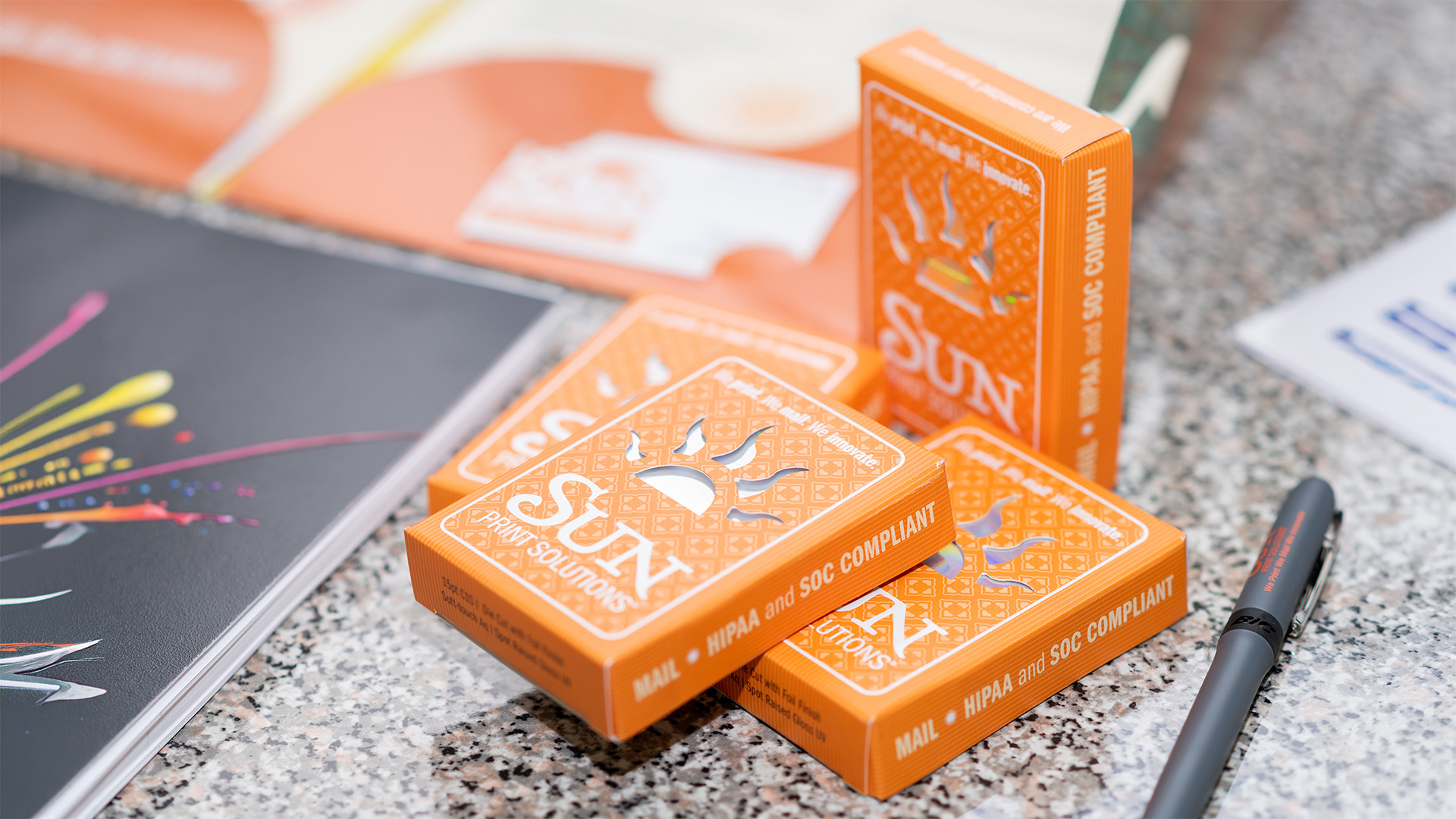
Sun Print Solutions went from manually re-entering up to 20 orders into their MIS every day to a fully automated workflow. Nobody had stopped to calculate what that was costing: over 50 hours of manual work every week, absorbed so completely into routine that it stopped feeling like a problem. Ten live B2B storefronts. Up to 20 orders a day. Zero manual touches.
They went live in 47 days.
Put a number on it
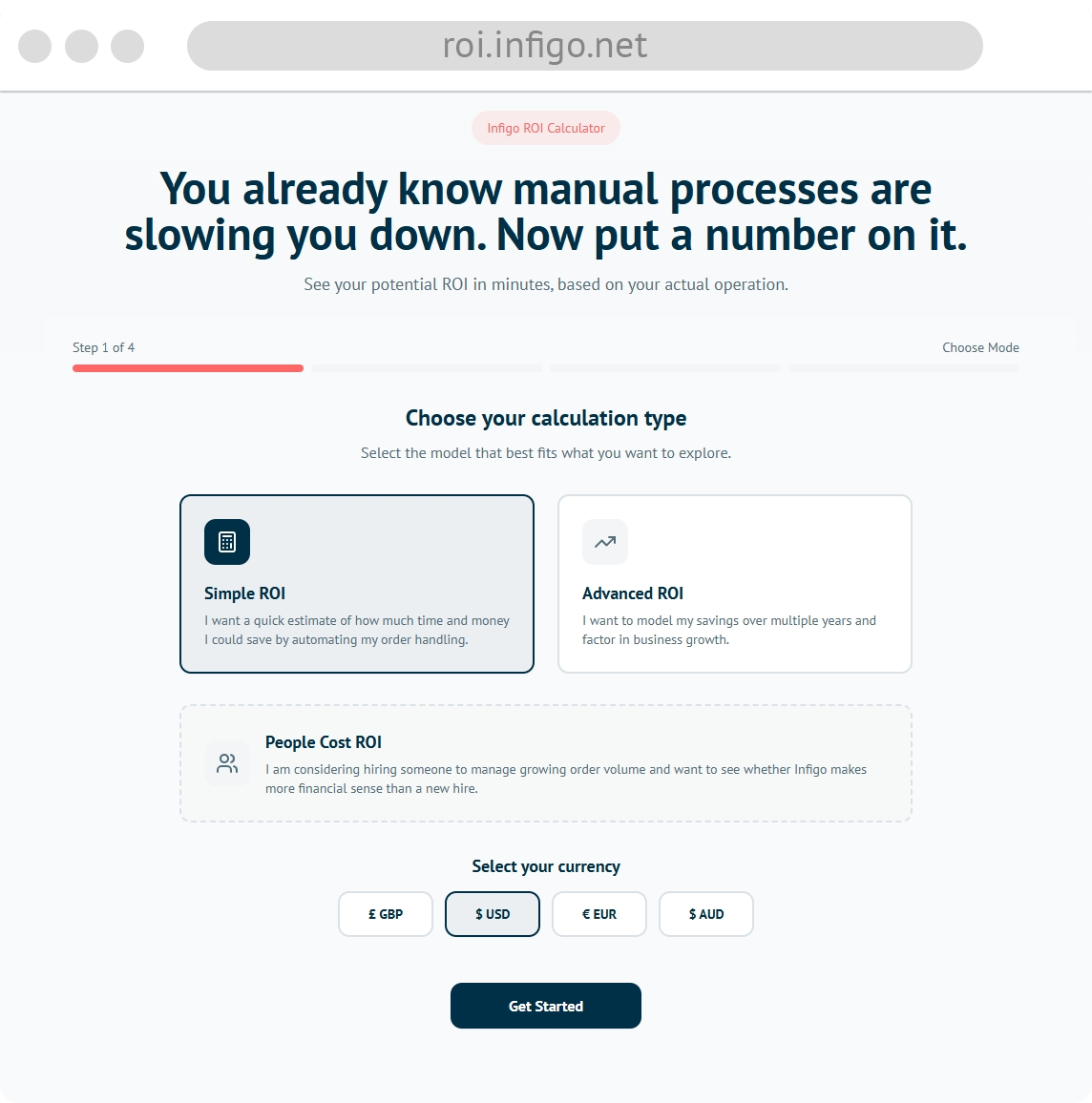
Most operations have never sat down and calculated the real cost of their manual steps. The Infigo ROI Calculator does it for you.
Enter your order volume, team size, and current process, and get a clear breakdown of what those steps are costing, including whether automation makes more financial sense than adding headcount.
From a Real 24/7 Print Operation


Boris Antonissen, Prepress Manager, Control Media
Frequently Asked Questions
-
The most common manual steps in print production include re-keying order data from storefronts into MIS or ERP systems, manually routing print-ready files to the correct output device, creating job tickets by hand, chasing suppliers for delivery updates, and sending individual customer status emails. These steps typically occur at every order touchpoint and compound in volume as order count grows, making them the primary source of hidden operational cost in print businesses.
-
Manual job entry and the associated admin tasks (file routing, job ticket creation, status updates, and order tracking) can consume 50 or more staff hours per week in a mid-sized print operation. Sun Print Solutions, a 130-employee commercial printer in Utah, reclaimed over 50 hours per week after automating their production workflow with Infigo. That figure typically excludes error-correction time caused by re-keying mistakes, which adds further untracked cost.
-
Print job orchestration is the automated coordination of every step between order placement and production completion, including file routing, job ticket generation, MIS data entry, press assignment, and customer notifications. Rather than relying on staff to move jobs manually between systems and queues, orchestration software triggers each step automatically based on predefined rules. The result is faster turnaround, fewer errors, and consistent output regardless of order volume or shift patterns.
-
Web-to-print automation reduces manual work by connecting the customer ordering layer directly to production systems, eliminating the re-keying of order data, automating file delivery via hotfolders, generating job tickets without human input, and triggering status updates to customers automatically. Control Media, a B2B trade printer in the Netherlands, doubled order volume using this approach without adding headcount. The automation handles repetitive, rules-based tasks so production staff focus on exceptions and value-added work.
-
Shared Print Operations is an Infigo feature that gives print production teams a live, job-level view of all active orders across every storefront and sales channel from a single dashboard. It allows operations managers to see job status, identify bottlenecks, and intervene before delays escalate without relying on manual updates from individual team members. It is part of Infigo’s Production Visibility and Job Orchestration capability and is designed to replace disconnected spreadsheets and verbal handoffs between production staff.
-
Implementation timelines vary depending on complexity, but Sun Print Solutions, an 85-year-old commercial printer with 130 employees, went live with Infigo in 47 days. That deployment included production visibility, job orchestration, and automated file routing. Infigo is built to integrate with existing MIS systems and production infrastructure, which reduces the need for custom development and shortens the path from project start to live automation.
-
Yes. Print businesses that automate order processing, file routing, and job ticket creation can absorb significant volume growth without proportional increases in staff. Control Media doubled their order volume and achieved an eightfold increase in small-run digital orders with zero new headcount by automating their production workflow. The key is removing manual touchpoints from high-frequency, low-complexity tasks, which frees existing staff capacity rather than requiring new hires to fill it.
Latest Posts
Infigo and Ultimate Tech automate imposition for web-to-print orders with Ultimate Impostrip®
Infigo partners with BCC Software to bring address cleansing and real-time postage pricing to web-to-print